In today’s fast-paced world, explorers need a dependable power source whether they are embarking on off-road escapades or planning an additional camp out at a remote destination. Whatever your needs, both of these portable power station (PPS) models explained below, can be tailored to your needs for work or play. Oukitel, a renowned name synonymous with innovation, presents two exceptional PPSs that redefine capacity, versatility, and efficiency. These powerhouses, brought to you by Communica and crafted by Oukitel, are the ultimate companions for your overlanding endeavours as you will soon discover.
Before we get to the good stuff, there is some technical jargon that we must address, as many of us are new to the realm of power, and that’s perfectly fine. Understanding terms like Amp hours (Ah) and Watt hours (Wh) might seem complex, but they’re crucial for understanding power consumption.
Ah, or Amp-hours, measures the energy stored in a battery, enabling a current of one ampere to flow for an hour. In simpler terms, 1 Ah indicates the amount of amperage a battery can provide for an hour. On the other hand, Wh, or Watt hours, quantifies energy – one watt of power expended for an hour. This unit is commonly used for larger appliances such as microwaves and power tools.
Now, let’s briefly compare your dual-battery system to a PPS. A PPS and a dual-battery system are both popular choices for providing electrical power when overlanding or heading into the vast unknown. And, each has its own set of benefits and drawbacks. The choice between them depends on your specific needs and preferences.
Although, to make things easier and simpler for you to understand, here are some benefits of using a PPS instead of a dual-battery system for overlanding:
- Simplicity: PPS units are generally simpler to install and use compared to a dual-battery system. It’s essentially a single unit that manages power distribution and charging, whereas a dual-battery system involves multiple components like a second battery, isolators, wiring, inverters etc.
- Weight: PPS units are often lighter than a second battery, which can help maintain your vehicle’s balance and reduce the overall weight you need to carry.
- Space efficiency: PPS units are typically more space efficient than dual-battery systems. They can be installed in smaller areas, freeing up space for other gear and equipment in your vehicle.
- Multiple power sources: PPS units are designed to work with various power sources, including solar panels, alternators, and shore power, making it easier to integrate renewable energy sources into your setup.
- Battery protection: Many PPS units come with built-in safeguards to prevent your primary vehicle battery from discharging too much, which can be a concern with a dual-battery setup if not properly managed.
- Easy expansion: It’s often easier to expand your electrical system with a PPS. You can add more accessories and power outlets as needed without the complexity of adding another battery.
- Cost: Depending on the specific setup, a PPS can be a more cost-effective option compared to purchasing and installing a second battery and all associated components.
- Maintenance: PPS units typically require less maintenance than a dual-battery system, which may need periodic maintenance and monitoring to ensure both batteries are in good condition.
- Battery power: Most PPS units are supplied with LifePo4 (lithium-iron phosphate batteries) that can have a cycle range of between 1200-3500 cycles while traditional dual-battery systems have lead- acid or AGM (absorbent glass mat) batteries that can only discharge to a maximum of 50% before irreparable harm is caused to your battery. Both batteries are not waterproof. Lithium-iron can charge faster than lead-acid or AGM batteries.
- Inverter capability: Most modern PPSs can power tools up to 2000W with surge capabilities for up to 4000W which includes microwaves, cooking pots, hair dryers and even Airfryers. Lead-acid or gel batteries have great difficulty powering large or heavy appliances, and may not cope with the heating elements in air fryers, hairdryers or electric blankets as a standard problem.
However, it’s important to note that there are also advantages to a dual-battery system, such as powering your canopy and camp kitchen lights and appliances, extended power storage capacity and the ability to isolate power sources more effectively. Are we suggesting that a PPS can replace an actual overland vehicle battery – of course not! The choice between a PPS and a dual-battery system ultimately depends on your specific needs, the amount of power you require, and your willingness to invest time and effort in setup and maintenance.
Additionally, technology in the field of power management for overlanding is continually evolving, so it’s a good idea to research the latest products and systems to find the best fit for your particular setup and requirements.
Are PPSs better for overlanding than a dual-battery system? In our opinion, the answer is most definitely yes! Simply because of these main factors: A PPS is lighter, easier to use, requires less components, can be recharged quicker, is portable and largely inexpensive when you look at all the accessories that are ‘additional expenses’ when building your own dual-battery system, which can cost up to three times more than a PPS. Plus, the grade of inverters supplied with a PPS these days are next level. And, in the case of Oukitel’s P1201E, which can power individual air fryers, hairdryers, hair straighteners, microwaves, a Remoska cooking pot, an angle grinder, drill, and 22 Snowmaster fridge freezers (simultaneously) for 47 minutes – It’s pretty darn impressive! Remember lads, if your wife has power – she will be happy on any outdoor adventure! Happy wife, happy overlanding journey right?
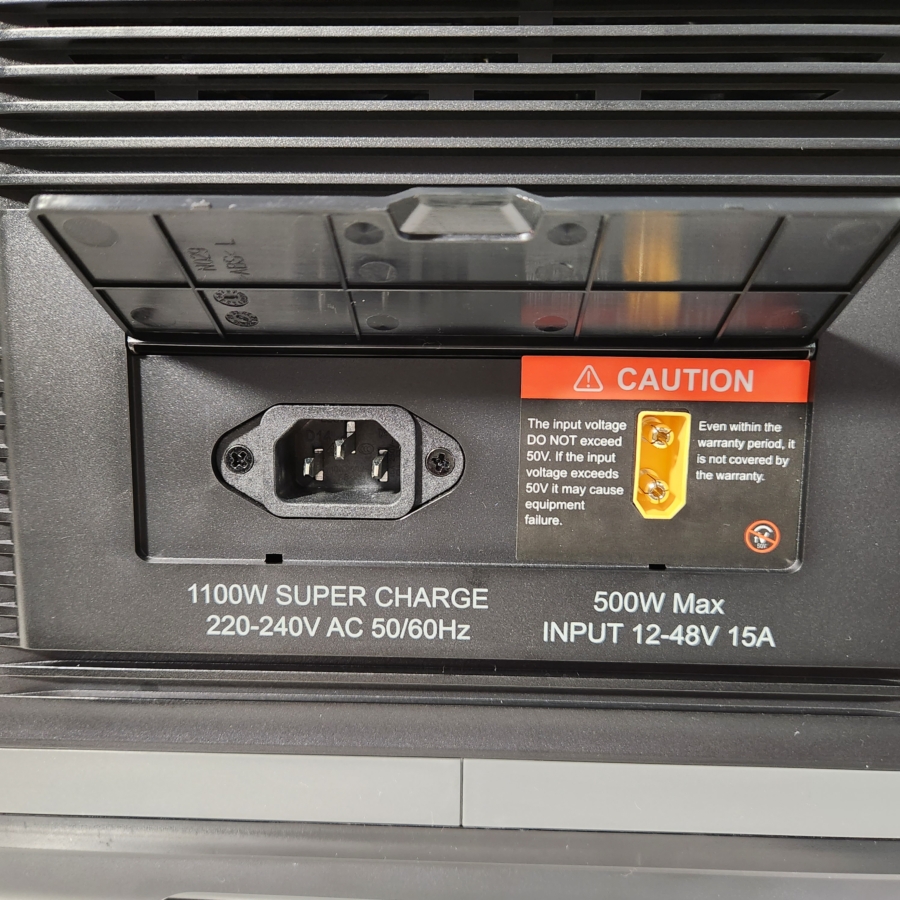
And it gets better! These particular PPSs can be recharged with a 500W 12-48v 15a solar panel faster than your lead-acid or gel battery, which does free up the need for having two or three panels on your roof.
The only downside in our experience between a PPS and a dual-battery system is the lack of Bluetooth connectivity. But then again, when you compare all the pros of a PPS, does it really matter? Yes, dual-battery systems are very cool to piece together yourself, if you know what you’re doing. However, most of them require permanent fixtures to your vehicle, canopy or RTT, which may hinder sales value. Whereas, a PPS can be used at home as well as in your 4×4 vehicle when required and is super convenient.
Technical Surge Capability Overview
Let’s delve into the details of these extraordinary devices that promise to power up your journeys and keep you connected. Oukitel Portable Power Stations are more than just devices – they’re the heart of your overlanding journey, offering independence, convenience, and peace of mind. Explore the world with unwavering power, and redefine what it means to be an outdoor explorer.
Now, let’s explore Oukitel’s offerings: the P1201E and the P2001E models, and their surge capabilities.
The Oukitel P1201E boasts a substantial 960Wh capacity with a surge of up to 4000W. If you draw a constant 4000W, your battery will last around 15 minutes. However, this device can provide a steady supply of 960 Watts for an hour. Depending on the appliances you use, the power duration may vary.
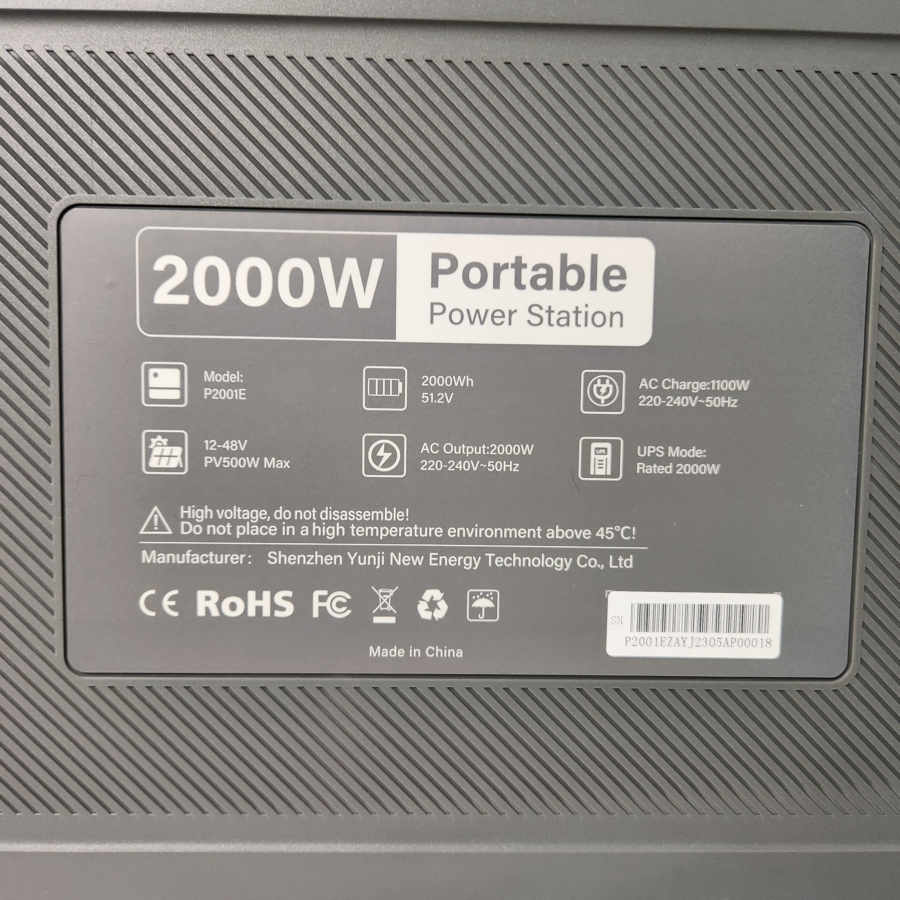
On the other hand, the Oukitel P2001E is a true powerhouse with a whopping 2000Wh battery capacity and a surge of 4000W. This means it can sustain devices requiring 2000W for about an hour before the battery fully depletes. Using around 1000W from the 2000Wh capacity, it can keep you powered for approximately two hours or more.
Both models excel in surge capabilities, a vital feature for demanding power needs. For instance, the P1201E can run a 2500W air fryer for about 30-35 minutes, while the P2001E extends that to around 60 minutes. So, be sure to align your cooking times and power usage for an uninterrupted experience.
Oukitel Successfully Passes Rigorous Testing
We put these models to the test by comparing their performance to other brands. The result? Both Oukitel power stations outperformed the competition, delivering exceptional surge power. Our rigorous testing included angle grinders, air fryers, kettles, and more, showcasing their reliability across various devices.
As for the P2001E, it experienced a brief hiccup during a 2400W draw coupled with a UPS feature test. However, rest assured that during load-shedding simulation, both models remained resilient, providing uninterrupted power to our computer workstations and large TV.
Don’t miss our comprehensive video review, where we demonstrate the devices’ capabilities across different appliances, including the remarkable feat of powering 22 Snomaster Freezer fridges! Click on the video below to see these powerhouses in action:
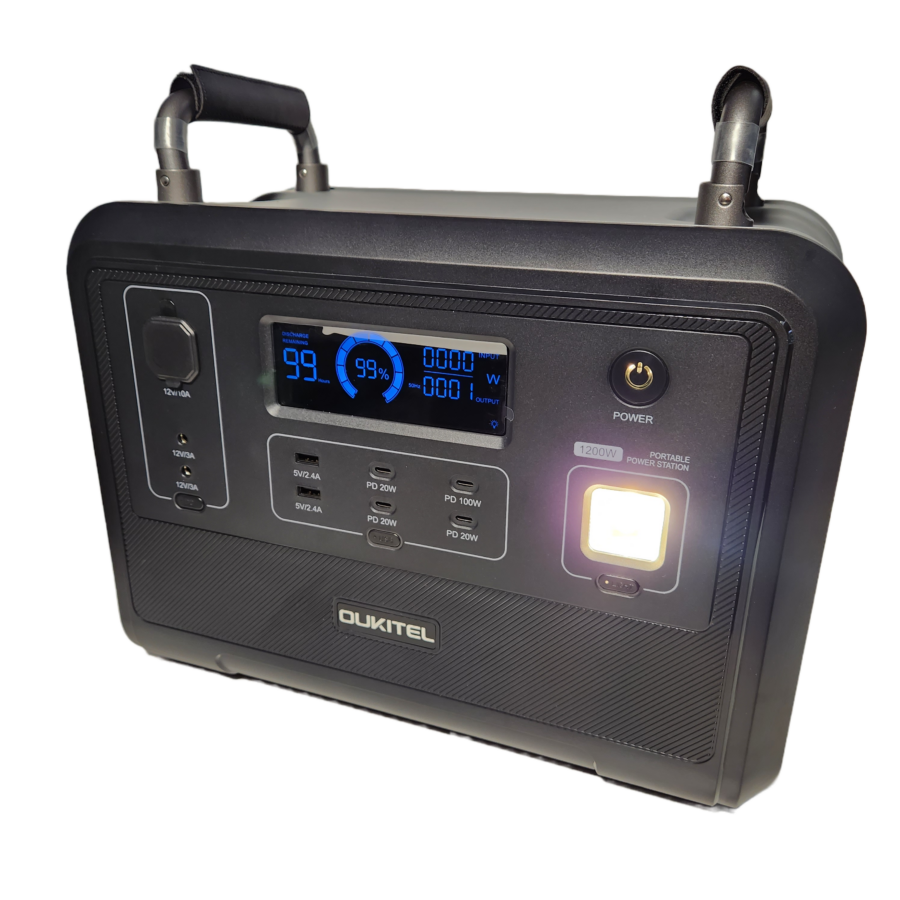
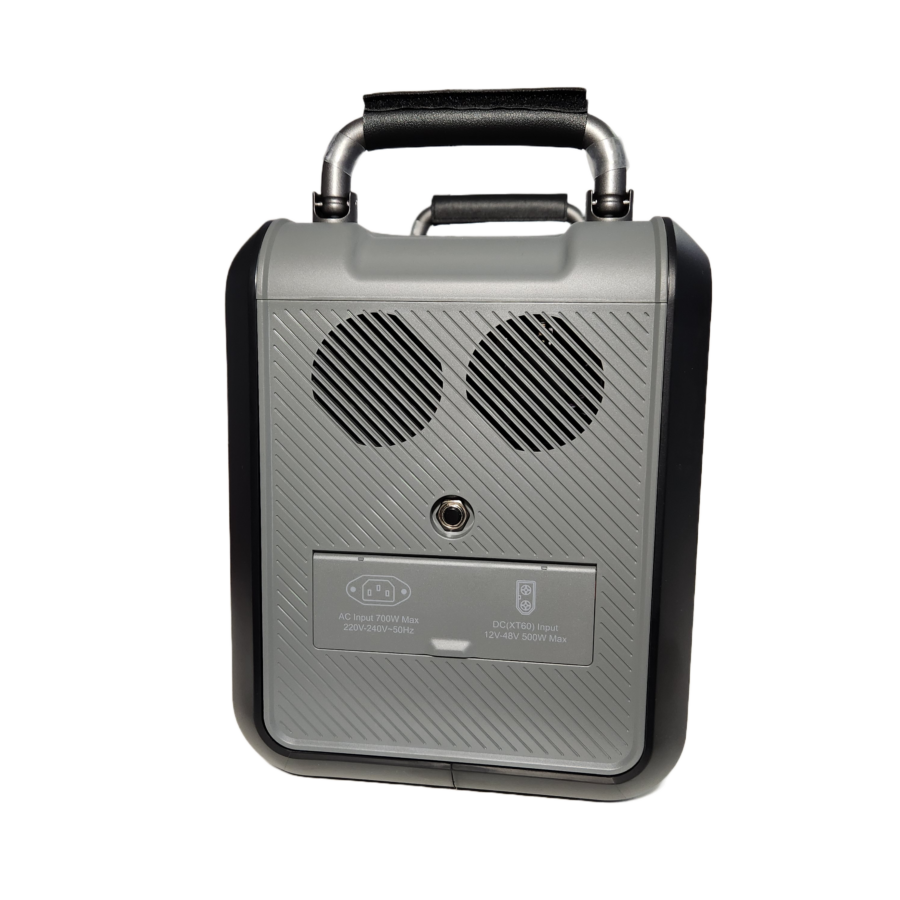
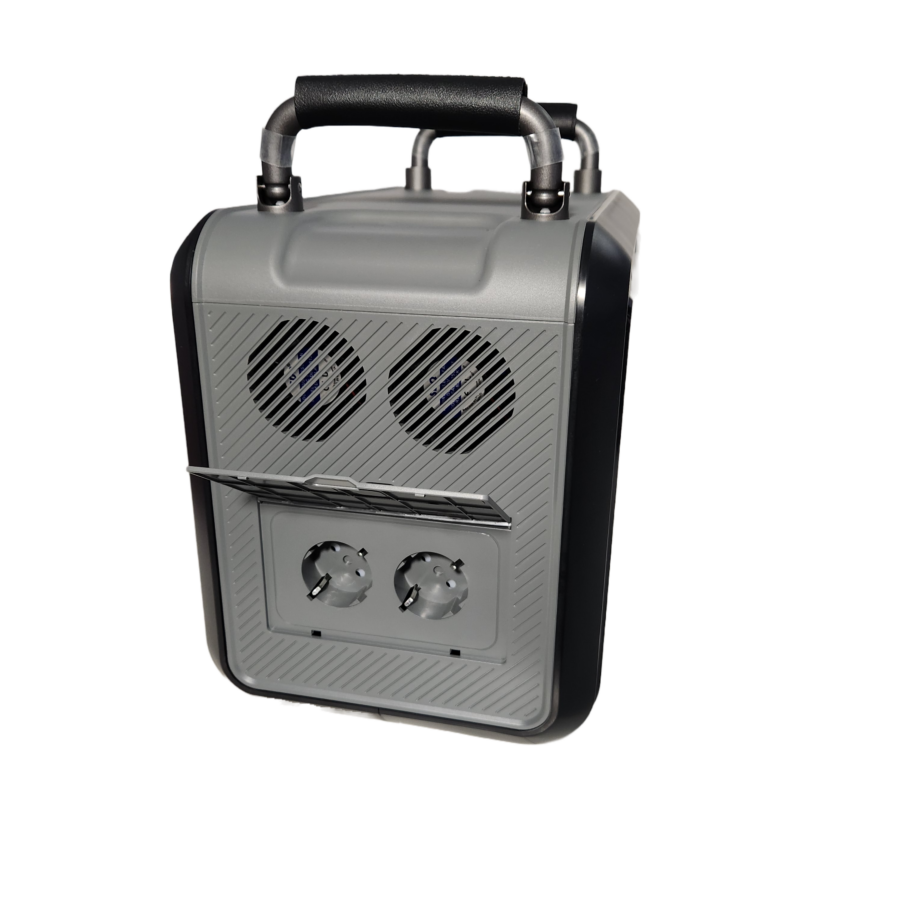
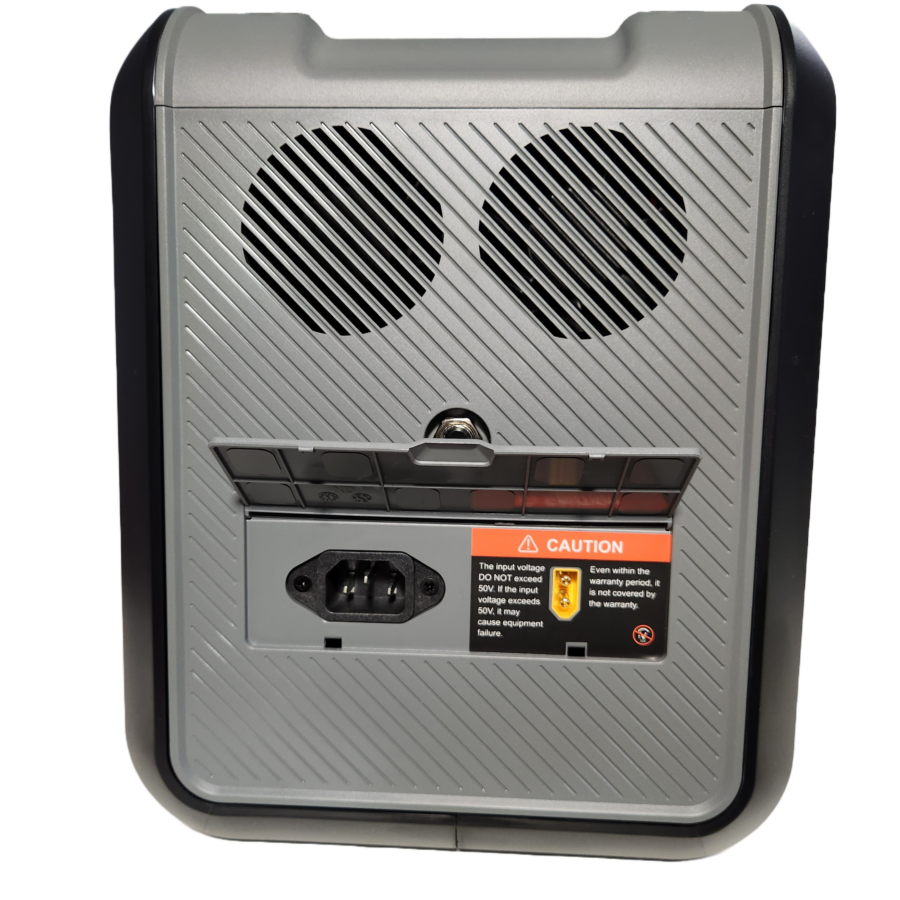
Oukitel P1201E Portable Power Station 1200W/960Wh
Compact and versatile, the Oukitel P1201E Portable Power Station is your go-to solution for various power needs. With a potent 960Wh battery capacity and a robust 1200W AC pure sine wave inverter, this device ensures you’re covered during blackouts, outdoor adventures, and off-grid excursions. It’s your reliable energy source, from laptops to coffee makers, electric grills, and compact refrigerators.
 Key Benefits and Features:
- Swift Charging: Recharge from 0 to 100% in just 1.5 hours via a wall outlet, or recharge in 2-3 hours with solar panels (12-48V/15A) for eco-conscious adventurers.
- Portability: Weighing a mere 12.5kg and equipped with foldable handles, it’s easy to carry.
- Safety and Durability: The built-in Battery Management System (BMS) safeguards against overcharging, over-discharging, and more. LiFePO4 batteries ensure longevity, with up to 3500 cycles at 80% capacity.
- UPS Feature: With a sub-10ms switchover, it acts as an Uninterruptible Power Supply for crucial devices during outages.
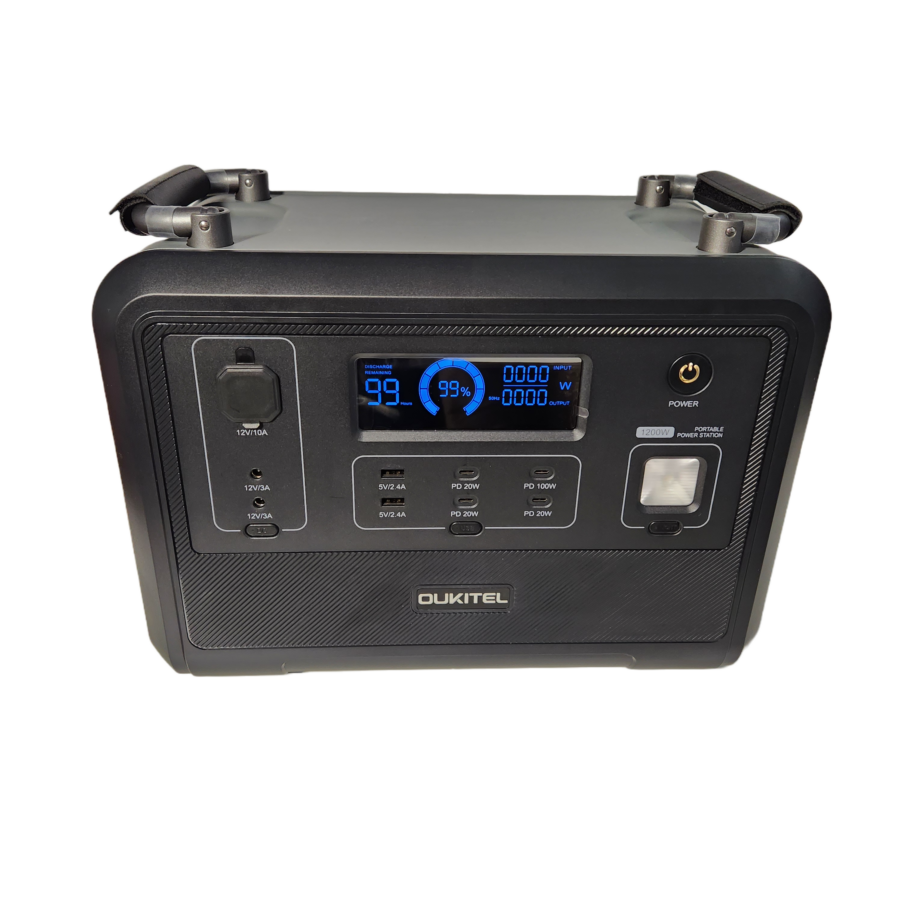
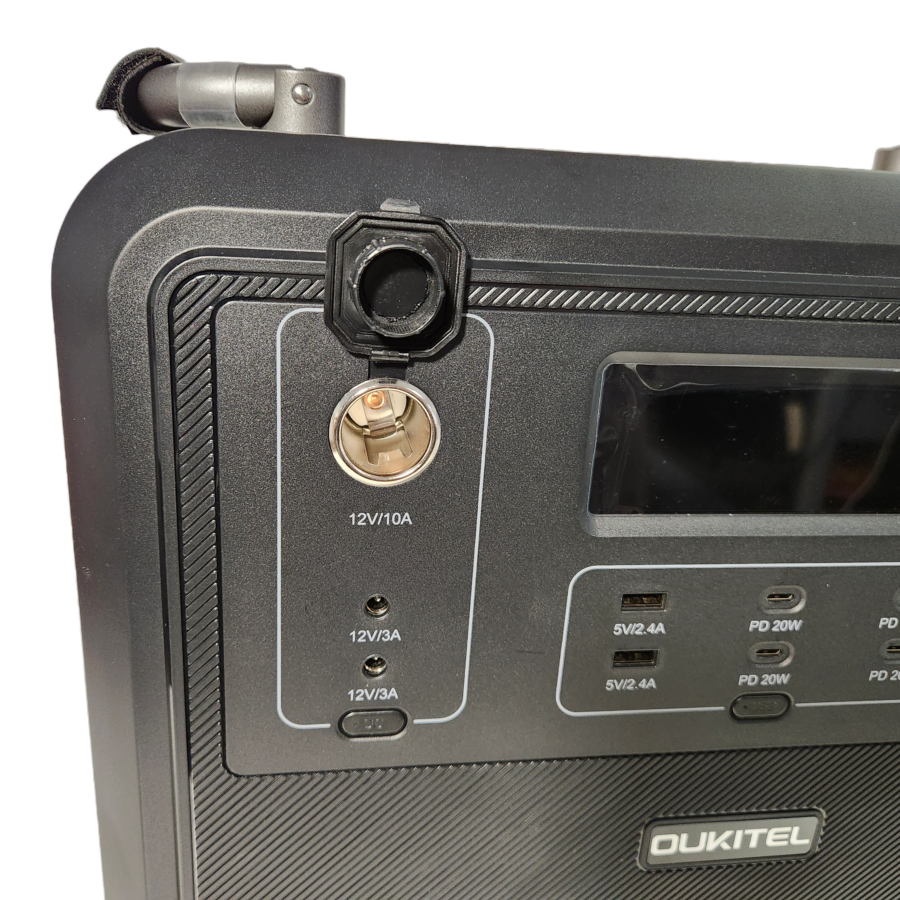
Click on the gallery image below to see more pictures of this model:

To order the Oukitel P1201E Portable Power Station, click here.
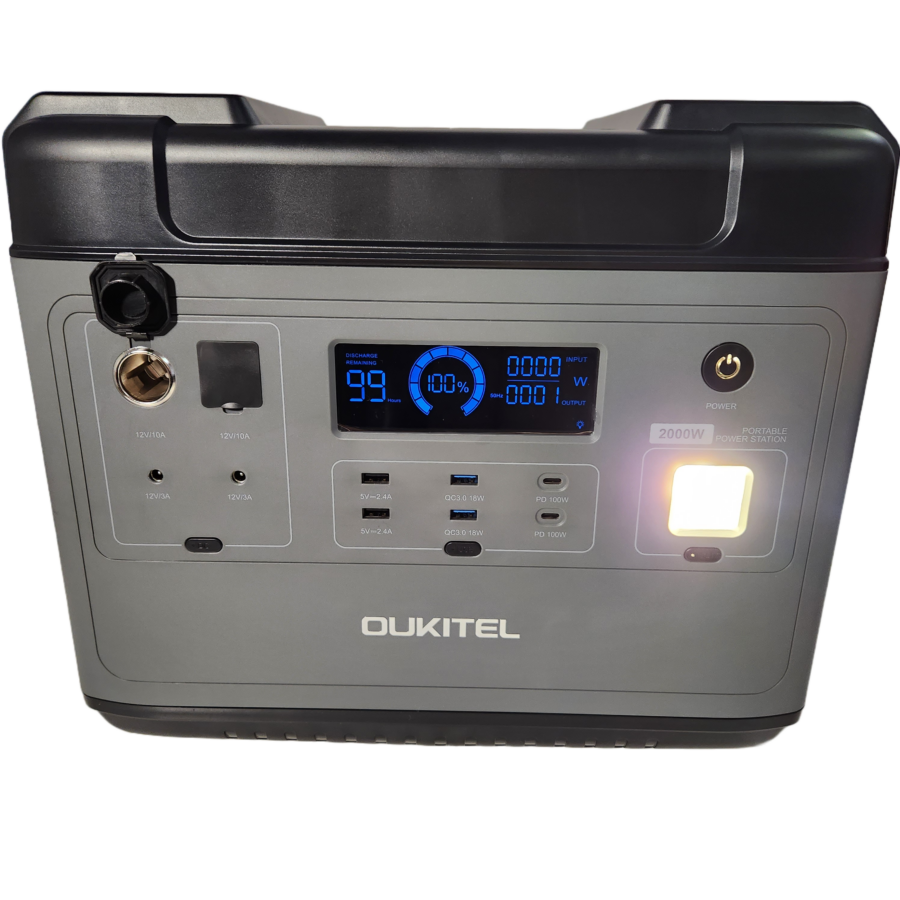
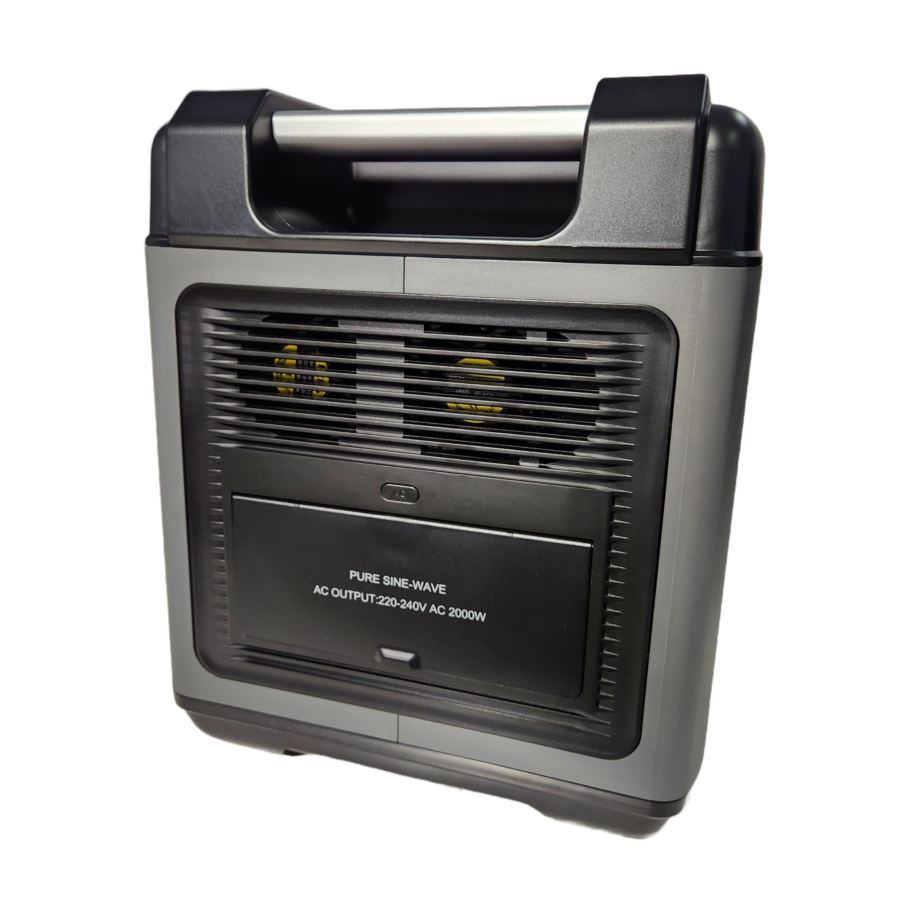
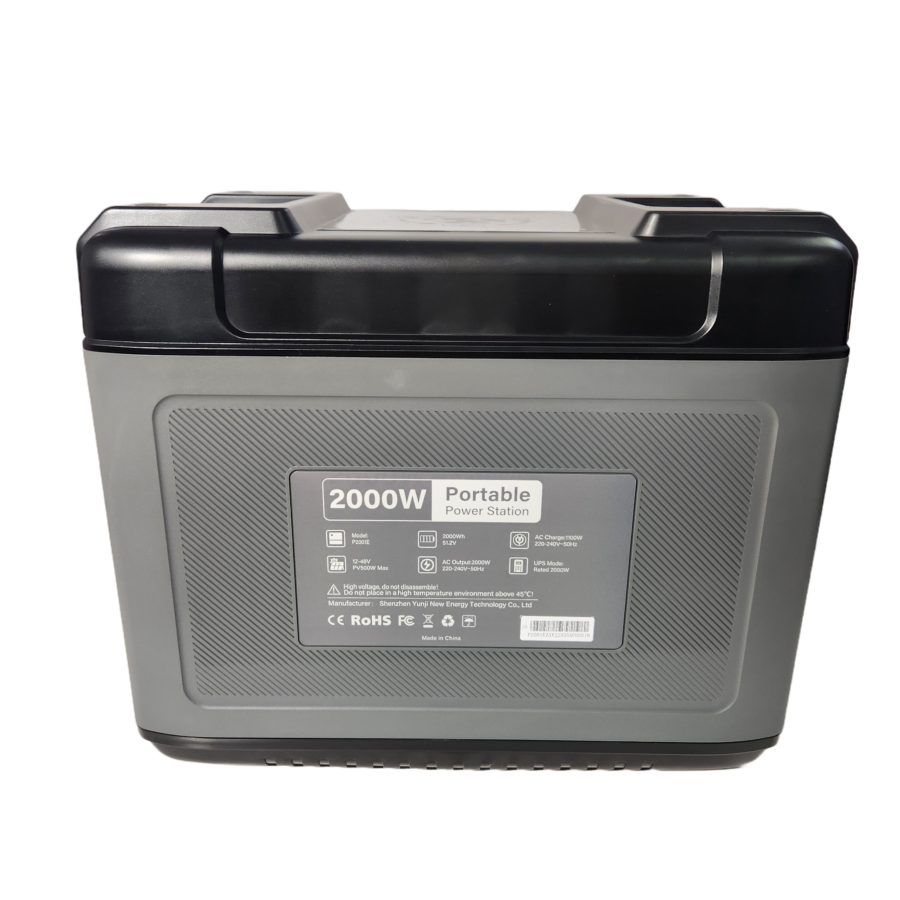
Oukitel P2001E Portable Power Station 2000W/2000Wh
Experience unmatched power with the Oukitel P2001E Portable Power Station. Boasting a staggering 2000Wh capacity and a formidable 2000W AC pure sine wave inverter, it’s designed for high-power demands. From extended outages to energy-intensive situations, it’s your robust solution.
Key Benefits and Features:
- Ample Capacity: With 2000Wh, it’s equipped to handle prolonged power needs.
- Speedy Recharge: Compatible with various charging methods, including solar panels (12-48V, MAX 500W), it charges from 0 to 100% in just 1.5 hours (1500W input).
- Solar Integration: Embrace sustainable energy with wide-ranging solar panel compatibility.
- UPS Feature: Safeguard sensitive devices with its Uninterruptible Power Supply functionality.
Click on the gallery image below to see more pictures of this model:
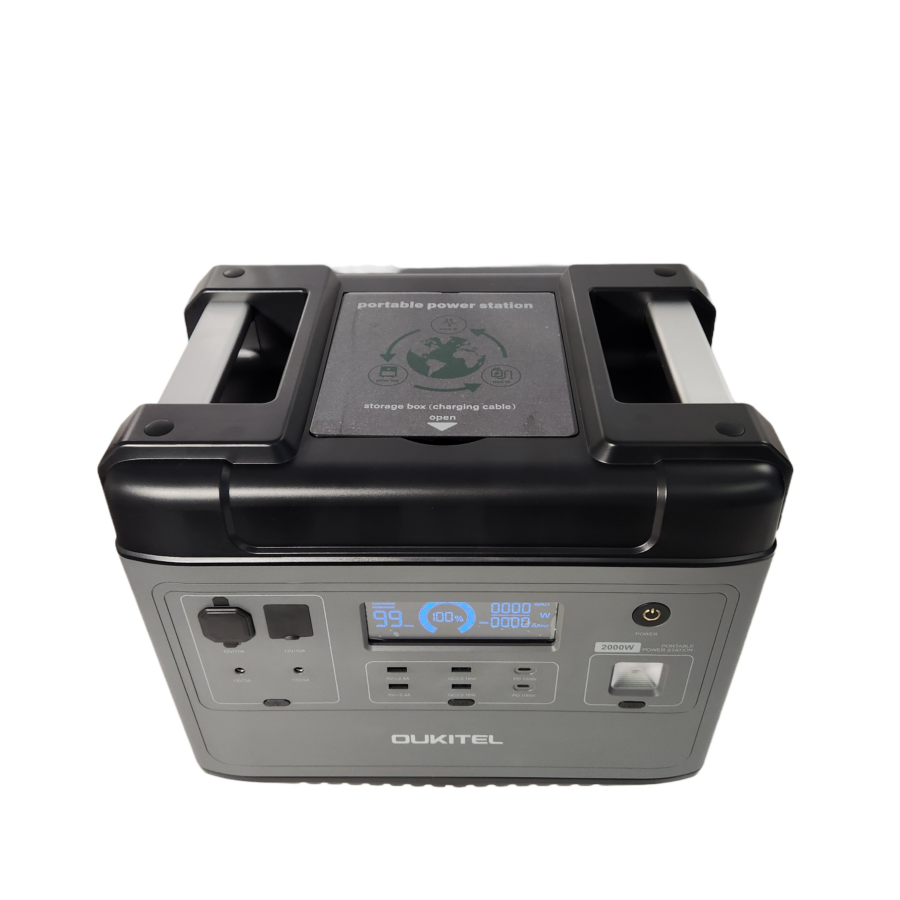
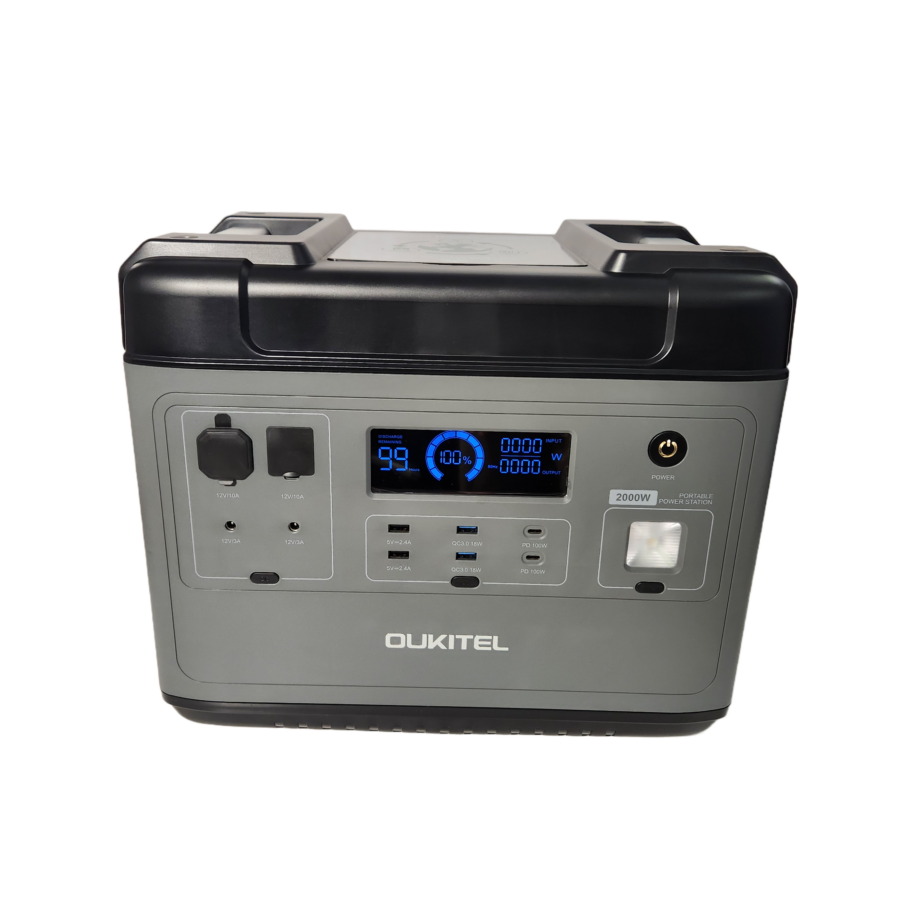
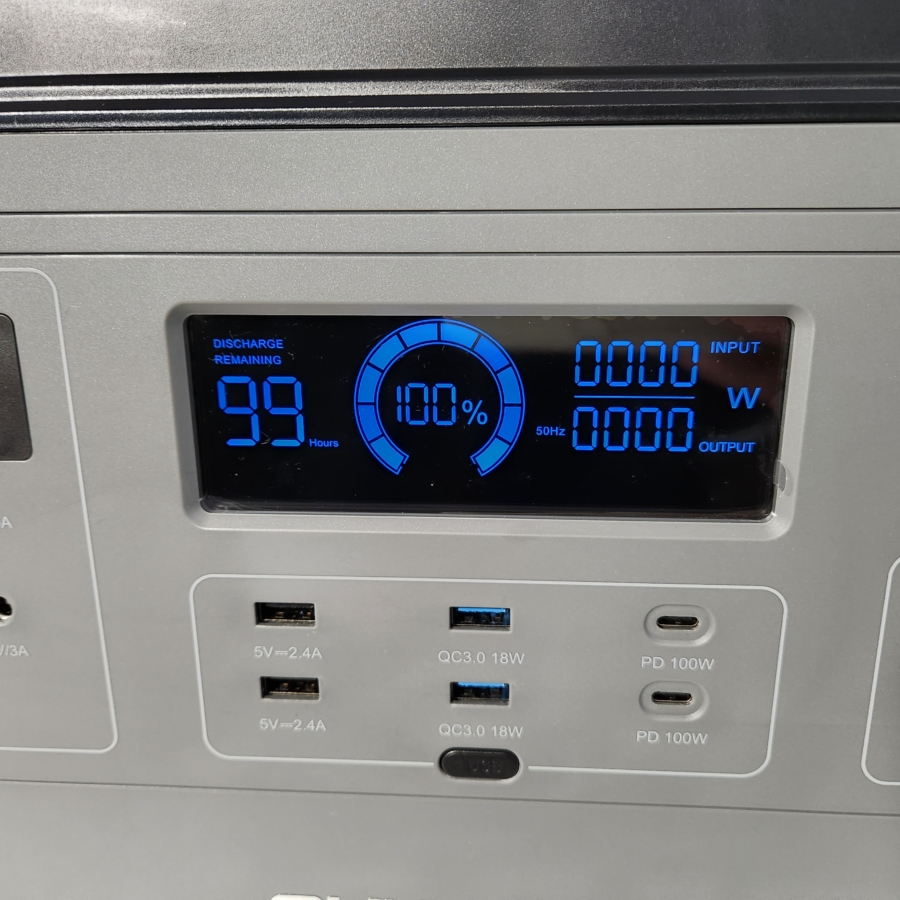
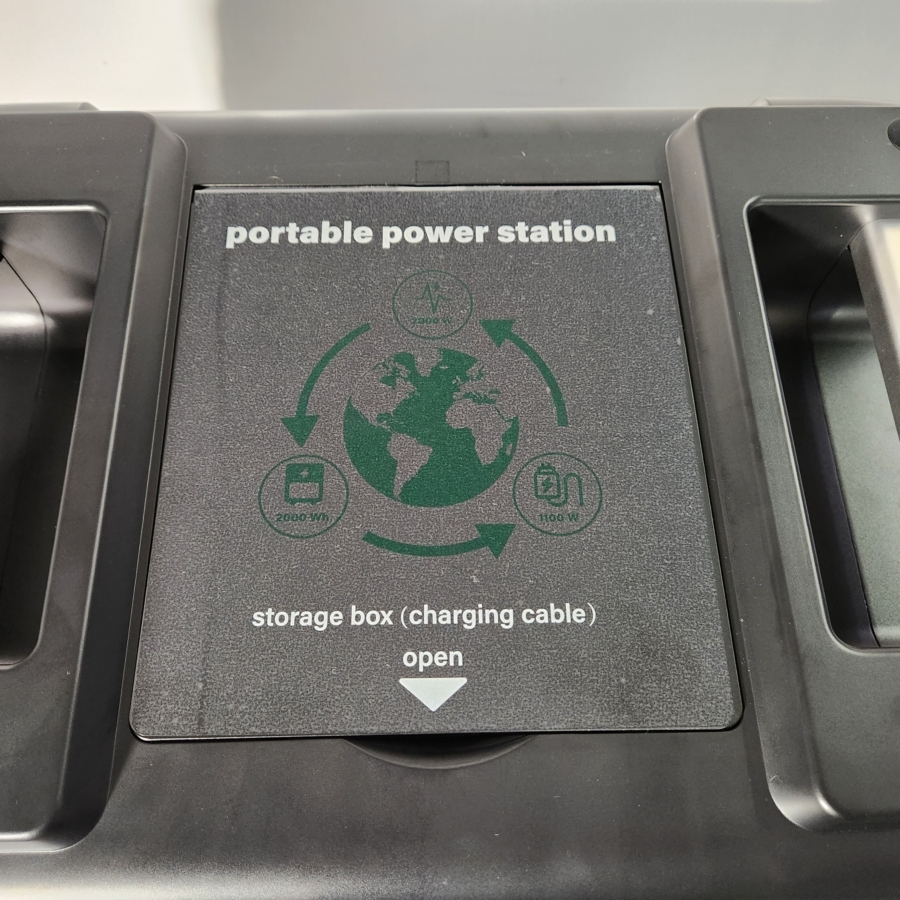


To order the Oukitel P2001E Portable Power Station, click here.
Comparison
While both Oukitel models offer UPS features, compact design, and solar compatibility, their capacity and output set them apart: the P2001E boasts a colossal 2000Wh, dwarfing the P1201E’s still impressive 960Wh. In terms of output with a 2000W inverter, the P2001E is designed for high-wattage devices, unlike the P1201E’s 1200W capacity.
Introducing the New Oukitel Abearl P5000E Portable Power Station 2200W/5120Wh
Prepare to be amazed by the upcoming Oukitel P5000E Portable Power Station. With an astounding 5120Wh capacity and a robust 2200W AC pure sine wave inverter, this game-changer promises sustained power. Quick 1800W AC input ensures minimal downtime, while a 10-year lifespan makes it perfect for long-term use.
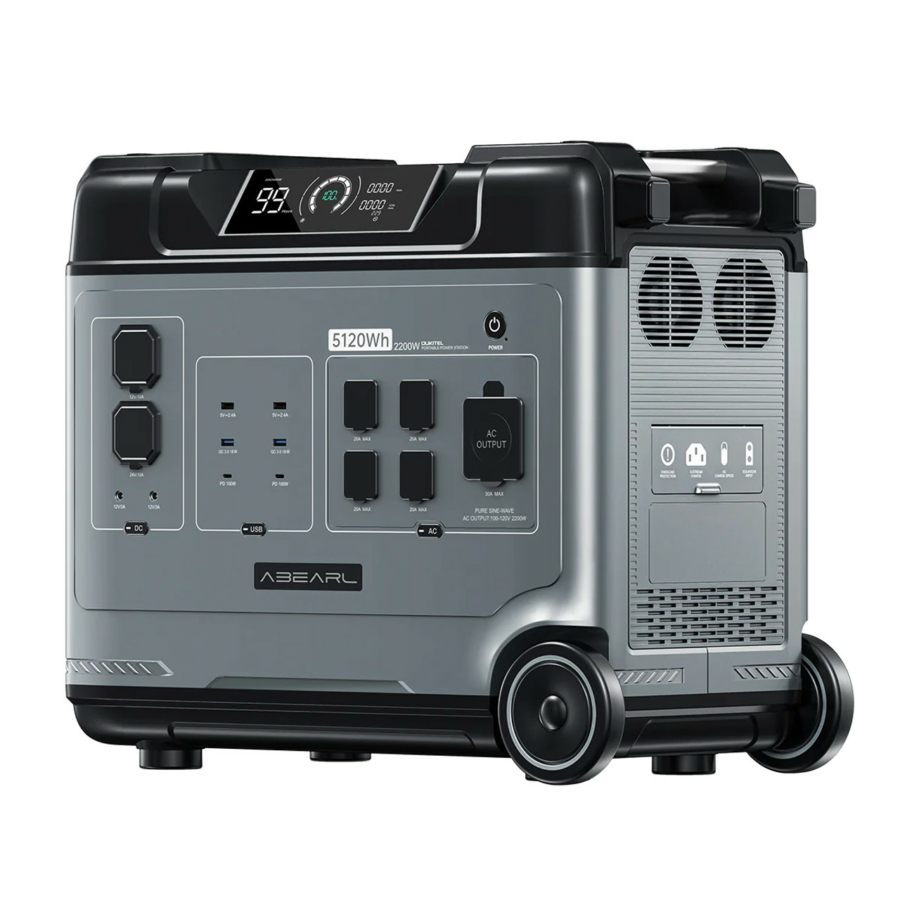
To order the Oukitel P5000E Portable Power Station, click here.
Conclusion
In a nutshell, both Oukitel P1201E and P2001E Portable Power Stations offer reliable power solutions with distinct capacities and outputs. The P1201E is your versatile companion for everyday use, emergencies, and camping, while the P2001E is a powerhouse for prolonged outages and energy-intensive scenarios.
Your choice hinges on your specific needs and usage patterns. Whichever you opt for, Oukitel’s portable power stations promise dependable and convenient power solutions for your overlanding escapades. Are you ready to embark on a new era of overlanding with Oukitel?
If you wish to take advantage of these amazing and robust power solutions, or for more information, including online ordering, specifications, sizes, costs, or applications;
Please visit this link to their online store: https://www.communica.co.za/pages/search-results-page?q=oukitel
Alternatively, you can contact them directly on 021 657 3500 or on 021 447 0949. A member of the Communica team is standing by to assist you with all your needs and requirements.
We have included red links above on each unit if you would like to see pricing or to purchase online directly.