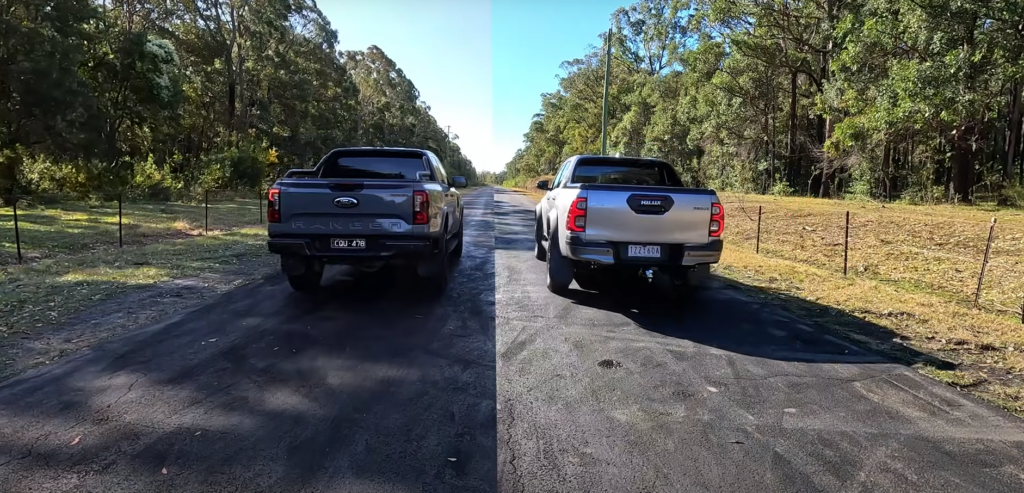
Two household names. One simple question. Which one makes more sense for the way South Africans actually drive, tow and travel off-road?
The Big Picture
Double cabs run South Africa. The country runs on farms, construction sites, family road trips and dirt roads that never end. That is why the Hilux and the Ranger sit at the centre of the market. They carry three identities at once: workhorse during the week, family car on Saturday, overlander on Sunday. Choosing between them is about more than peak power. It is about the character that fits a South African life.
At a Glance: Specs & Ownership (SA Double Cab 4×4)
- Price bands: vary by derivative and spec
- Service intervals: typically 10 000–15 000 km
- Payload: typically 900–1 000+ kg
- Braked tow rating: up to 3 500 kg (model dependent)
- GCM: model-dependent; verify per VIN
- Approach/departure angles: derivative dependent
- Fuel tank size: 70–80+ L typical
- Dealer network: Toyota very dense nationwide; Ford is widespread and expanding
Drivetrains Explained

Toyota fits a 2.8 litre four cylinder turbodiesel to the Hilux 48V. Local tune sits at 150 kW and 500 Nm. The mild hybrid system adds a belt driven motor generator and a compact 48 volt battery. It assists when the driver pulls away, smooths stop start in traffic and recovers energy on overrun. There is no plugging in. It is light, sealed and simple. The net result is better response at low revs and a calmer feel in town.
Ford counters with a 2.0 Bi Turbo diesel that produces around 154 kW and 500 Nm in South African spec. It works with a 10 speed automatic that spreads ratios widely. That gearbox is the ace. It keeps revs low on the freeway and holds lower gears in the sand or when towing. Shift logic has matured. The Ranger now feels settled and predictable in mixed driving.
Economy in the Real World
Numbers on a brochure are not the full picture. What matters is how the two trucks behave with a roof rack, a fridge in the load bin and a headwind across the Karoo. The Hilux 48V keeps its composure in stop start traffic and can trim small amounts of consumption in town. The Ranger’s long gearing pays off on long hauls at an honest 110 km/h. Either truck will show a fuel penalty when loaded high or running big all terrains. Sensible packing and tyre pressures pay back at the pump.
Ride, Refinement and Noise
Both bakkies have coil sprung front ends and leaf sprung rears. The Ranger rides with a plush initial stroke that takes the edge off potholes and small corrugations. With five people and a full weekend load it settles into a controlled rhythm. The Hilux reads as firmer at low speeds in town, then finds a steady balance as speeds climb on gravel. On a long tar leg with a touring load the Ranger cabin registers a touch quieter at an indicated 110 km/h. Both will carry a crew all day without fatigue.
Cabin and Tech That Matters

Screens do not win a trail. What matters is visibility, simple climate control, clear camera views and the basics that still work when dust and heat arrive. The Ranger’s portrait style main screen carries clever trail cameras and a wide range of menus. The Hilux keeps a simpler layout with clear rotary controls and a robust feel. Both now ship with active safety assists that are worth understanding before a trip. Lane keeping and adaptive cruise can help on the N1; they need to be dialled back on rough tracks.
Off-road Control
On a grade with loose rock or in a Kalahari cutline, the Hilux throttle is easy to meter. It encourages slow, precise progress in low range. The mild hybrid assistance is not a gimmick here. It smooths that first quarter of throttle where drivers often stumble. The Ranger’s drive modes add real value in sand and mud. They tweak throttle maps and traction logic without drama. Locking rear differentials on both trucks turn traction questions into tyre and line questions. The badge matters less than the pressures and the driver’s patience.
Towing, Loads and Stability
Both trucks are built to tow and to carry. At legal speeds, the Ranger’s gearing helps with fewer shifts on rolling hills. The Hilux’s firm rear end feels stable with a smart nose weight setup. The right setup starts with the basics: correct ball height, evenly loaded trailer, fresh tyres on the caravan or off-road trailer, and an electric brake controller where needed. Limit speed to what the combination can do safely. If the rig wanders at 100 km/,h there is a setup fault to fix before the next trip.
Running Costs and Ownership
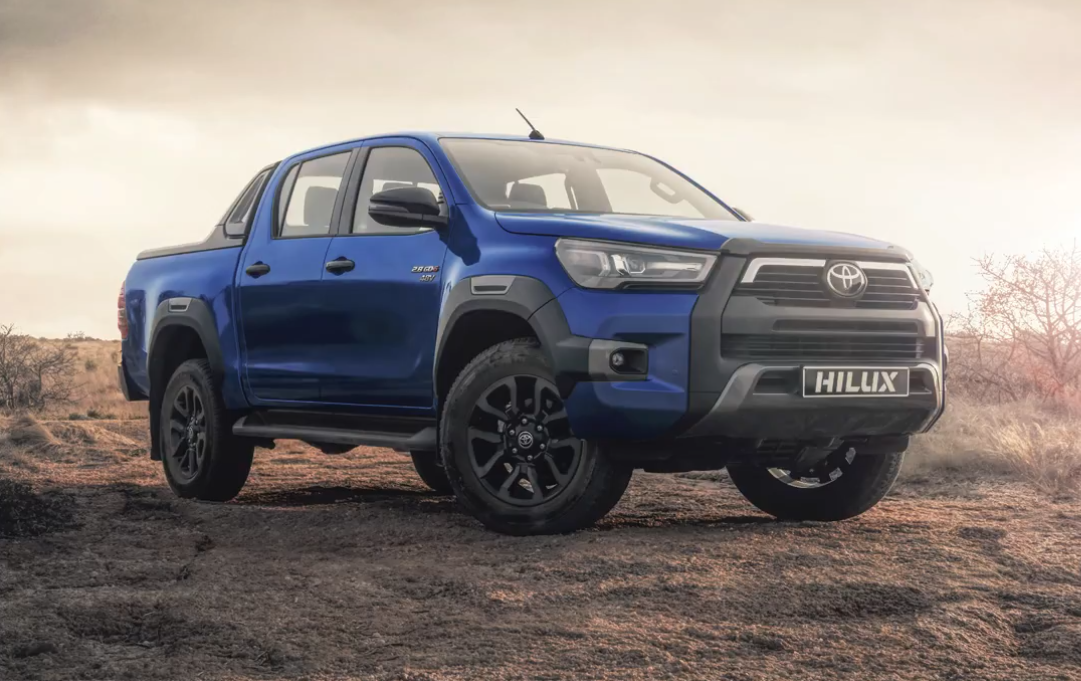
Toyota’s footprint in small towns can make a difference on a long overland loop. Ford’s parts support for the current Ranger generation has improved, and the accessory ecosystem is now one of the best in South Africa. The Hilux 48V adds little in maintenance complexity. There are no serviceable hybrid items for the owner to worry about. Both hold resale strongly when kept in stock or modified sensibly.
Aftermarket and Mods That Make Sense
South Africans love to tweak. Start with tyres and a good compressor. Add a proper canopy or a secure tonneau that keeps dust down. Recovery points front and rear are smart. A mild lift and heavy springs are only worth it if the vehicle carries weight all the time. Weight is the enemy of range and braking. Buy light. Pack lighter. Spend on a fridge, a dual battery and a simple drawer before chasing suspension travel that will never be used.
Which One for You
If life splits between city commutes, gravel weekends and one big trip a year, the Ranger’s highway calm and broad gear spread makes it a relaxed companion. If the plan includes more rough tracks, lots of slow work and the need for a dealer in a far corner of the country, the Hilux 48V looks attractive. The honest truth is that both are excellent and both will take a South African family far into the map with equal confidence.
Verdict
These are the two most complete bakkies on sale for South African realities. The Hilux 48V brings calm, low rpm response and a tough, simple character. The Ranger brings a long-legged stride and impressive towing manners. The winner is the one that fits the reader’s mix of road, load and travel. Tyres and pressures will decide more trips than the badge will ever do.
Have skin in the game. Tell us which one you’d choose and why. If the article helped, drop a comment with your real-world experience and share it with a friend who is shopping. Your inputs will shape the follow-up and help the next South African buy better.