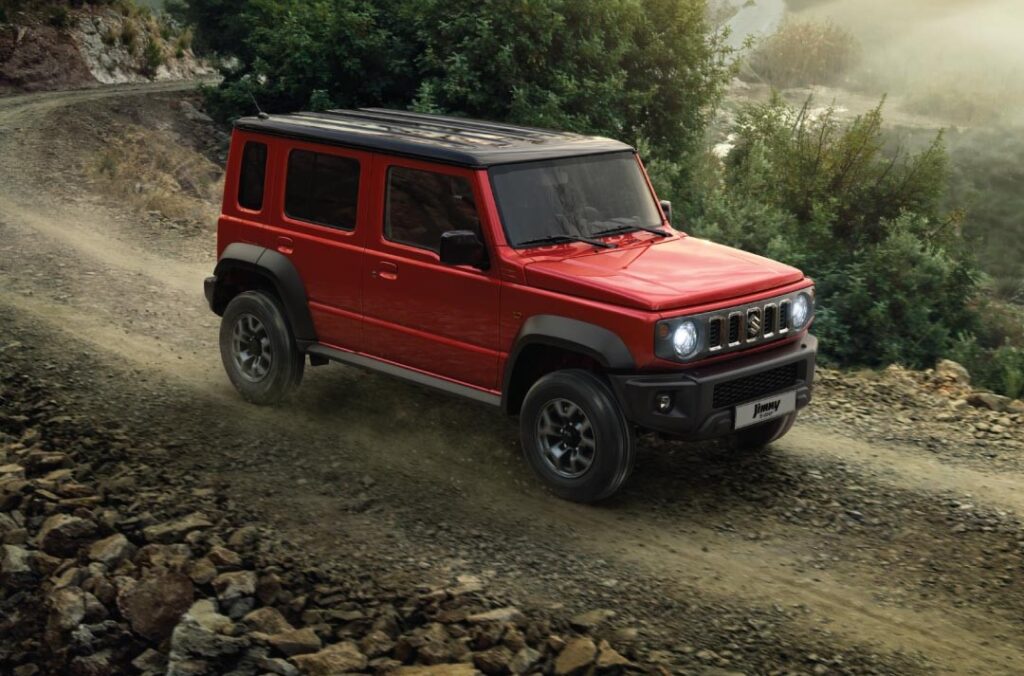
The Suzuki Jimny Gen 4 is not merely a vehicle; it is a South African phenomenon that has rewritten the rules of the local off-road scene. From the shifting white dunes of Atlantis to the jagged, technical rock crawls of the Cederberg, this “pocket rocket” has captured the hearts of a community that prides itself on adventure. However, its diminutive stature and iconic “mini-G-Wagon” aesthetic often invite a peculiar type of modification madness. Owners frequently succumb to the “bigger is better” fallacy, bolting on heavy, industrial-grade accessories that strip the Jimny of its greatest engineering asset: its featherweight agility. To truly master this machine, one must look past the superficial allure of a “rugged look” and focus on the technical synergy of suspension science, rotational mass, and weight distribution. In this bible, we dissect the physics of the Jimny to understand how less is almost always more.
The Suspension Science: Beyond the Lift
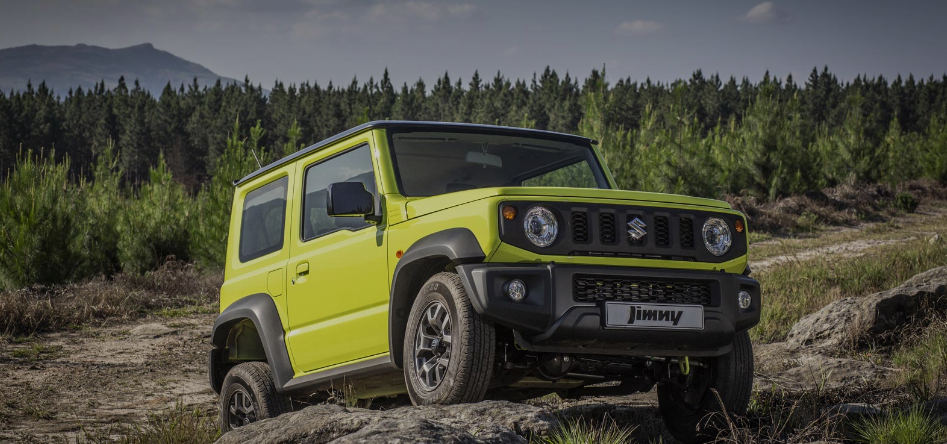
In the local 4×4 scene, the first question asked at any weekend braai is inevitably, “How much lift did you get?” For the Jimny, however, vertical height is a secondary concern to damping quality and kinetic control. The factory suspension is famously soft – tuned primarily for urban comfort and low-speed crawling – but it often feels nervous, or even skittish, at highway speeds or when encountering mid-corner undulations on a corrugated gravel road. This “pogo-stick” effect occurs because the factory dampers lack the sophisticated valving required to settle the chassis quickly after a high-frequency input.
Enter the Bilstein B6 or B8 performance damper upgrade, a transition that moves the Jimny from a “toy” feel to a “tool” feel. Unlike generic lift kits that simply use taller, stiffer springs to provide the aggressive stance people crave, the Bilstein installation focuses on velocity-sensitive valving. This is where the science of “damper rate” versus “spring rate” becomes critical to survival on the trail. By installing high-pressure gas-monotube shocks, the Jimny gains significantly improved rebound control.
This is the suspension’s ability to resist the “boing” effect after hitting a bump, ensuring the tyre returns to the road surface with precision rather than bouncing uncontrollably. On the road, this translates to a dramatic reduction in the notorious body roll and “nose-dive” under braking that plagues the short-wheelbase chassis.
Off-road, the technical results are deeper. A common mistake in the South African market is installing a heavy-duty 50mm lift without accounting for the Jimny’s lack of mass. If you install a spring designed for a vehicle carrying a constant 300kg load (like a fully kitted Hilux) onto a bare Jimny, the suspension becomes effectively rigid. A spring that is too stiff will cause the Jimny to bounce over obstacles rather than track through them, leading to a catastrophic loss of tyre-to-ground contact and, consequently, traction.
The Bilstein setup, often paired with slightly uprated Eibach or H&R springs, maintains the vehicle’s low centre of gravity while providing the “supple travel” needed for technical cross-axle situations. It proves that a “lift” isn’t always the answer; controlled articulation and high-speed stability are the true goals of a professional, technical build. By focusing on quality over height, you ensure the Jimny remains planted when the topography turns treacherous.
Sand Mastery: The Power-to-Weight Advantage
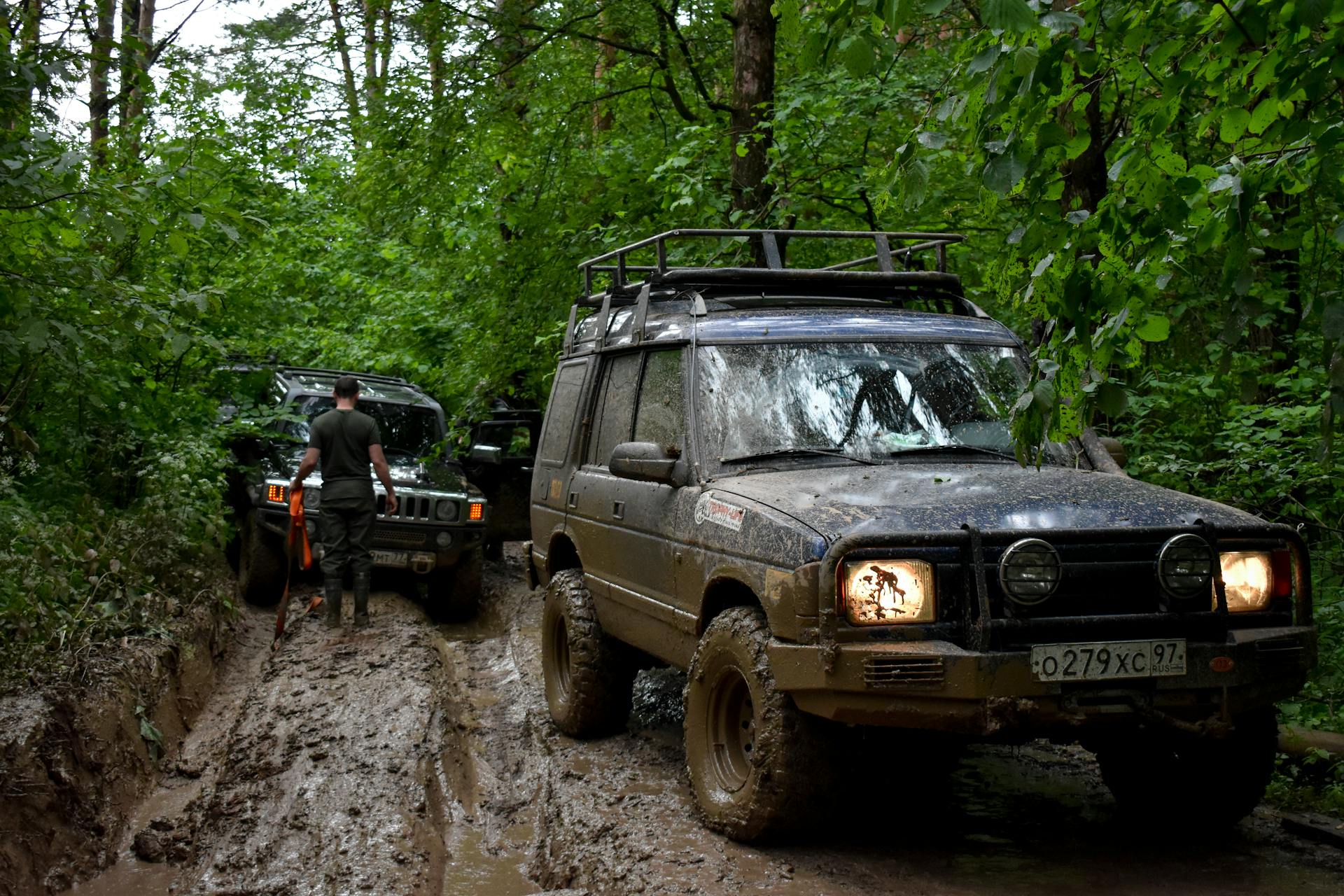
While the big “Bruisers” with their roaring V8 engines and 35-inch tyres often dominate the campfire conversation, the Jimny remains the undisputed king of soft sand. This legendary performance isn’t due to raw, brute horsepower – the 1.5-litre K15B engine is modest by any standard – but rather its exceptional power-to-weight ratio and “floatation” capability.
In the world of sand driving, weight is the ultimate enemy. A heavy vehicle creates a deeper “bow wave” of sand in front of its tyres, requiring more energy to overcome the resistance. The Jimny, by contrast, is a lightweight ninja that stays on the surface.
In the soft, treacherous sands of the West Coast, the Jimny’s technical advantage lies in its footprint. While a 2.5-tonne double-cab bakkie exerts immense ground pressure, effectively trying to “plough” its way through the dunes, the Jimny treads lightly. However, many owners negate this natural advantage by “over-tyring” the vehicle. Fitting massive, heavy Mud-Terrain (MT) tyres might look fantastic in a photoshoot, but it increases unsprung weight and rotational inertia.
Rotational inertia is the “physics tax” you pay every time you step on the accelerator; every extra kilogram at the wheel is a kilogram the small engine must work exponentially harder to spin. This often results in a vehicle that feels sluggish, has a diminished top speed, and “bogs down” the moment the sand gets truly soft.
Technical mastery in the sand requires a surgical, disciplined approach to tyre pressures. For a standard Gen 4, dropping the pressures to 0.8 bar (or even 0.6 bar in extreme “sugar sand”) creates an elongated contact patch that acts more like a tank track than a circular tyre. Because the Jimny is so light, this ultra-low pressure doesn’t cause the same “bead-popping” risk seen in heavier vehicles during sharp turns.
The secret to sand success in a Jimny is maintaining momentum through the mid-range of the power band. By keeping the revs between 3,000 and 4,500 RPM, the driver utilises the engine’s torque sweet spot, allowing the lightweight chassis to “surf” on top of the sand rather than digging a hole to the centre of the earth. In a Jimny, sand driving is a dance of finesse and momentum, not a contest of brute strength.
Fashion vs. Function: The Modification Tightrope
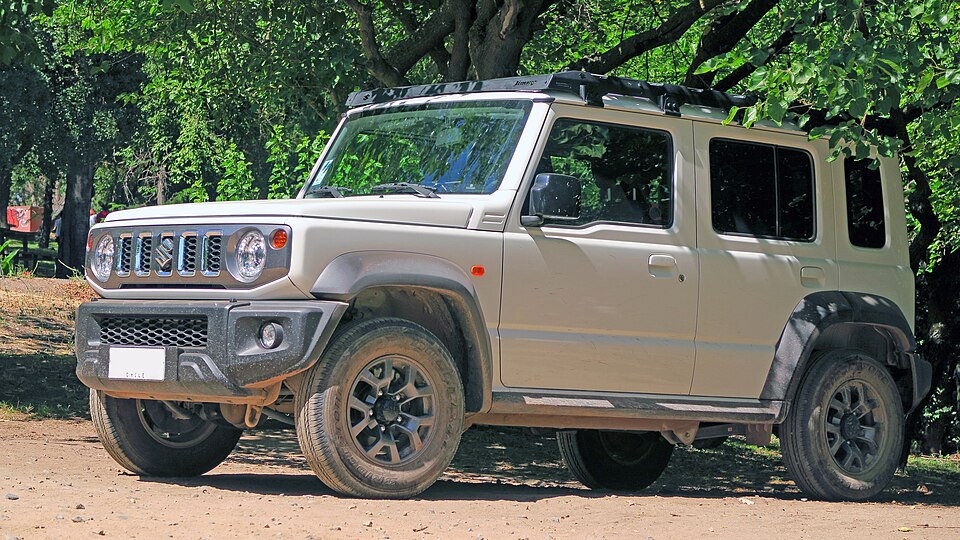
The global “Overlanding” trend has introduced a wave of aesthetic modifications that, while visually striking, often actively hinder the Jimny’s performance. Heavy steel replacement bumpers, massive roof racks loaded with jerry cans, and rear-mounted ladders might look “safari-ready” on Instagram. Still, they represent a series of technical compromises that can make the vehicle dangerous in off-camber situations. The Jimny has a narrow track width and a short wheelbase; it does not have the “ballast” to counteract a heavy rooftop load.
Adding 150kg of steel to a vehicle that weighs barely over a tonne changes the entire dynamic of the machine. It lowers the power-to-weight ratio, increases braking distances significantly, and—most crucially – raises the centre of gravity. In a steep side-slope situation, that extra 40kg on the roof could be the difference between a successful traverse and a rollover.
For the South African Jimny community, the “Function over Fashion” mantra is vital for safety. A lightweight aluminium roof rack is always preferable to its steel counterpart, saving up to 20kg at the highest point of the vehicle. Similarly, a hidden winch mount tucked behind the original plastic bumper provides the recovery capability of a heavy bullbar without the massive weight penalty that causes the front end to sag and plough into the terrain.
When choosing wheels, the “fashion” choice is often a deep-dish steel rim with a wide offset. While this provides a meaner, wider stance, it increases the “scrub radius” – the distance between the steering axis and the centre of the tyre’s contact patch. A large scrub radius puts immense strain on the steering damper and wheel bearings, often leading to the dreaded “death wobble” at highway speeds.
A technical build prioritises lightweight alloy rims that maintain a near-factory offset, preserving that nimble, telepathic steering feel that makes the Jimny so joyful to pilot through a tight mountain pass. Furthermore, every kilogram saved in bumper weight or wheel mass is a kilogram that can be “re-invested” into useful gear, like a decent compressor or high-quality recovery tracks.
The Community Blueprint: Less is More

The growing South African Jimny community is built on the spirit of “doing more with less.” It is a fraternity of enthusiasts who understand that the ultimate Jimny is not the one with the most expensive catalogue of accessories bolted to its frame, but the one in which every single modification serves a calculated engineering purpose. A Jimny is a study in efficiency; to overload it is to insult the engineers who worked so hard to keep it under 1,100kg.
The implications of a well-thought-out build go beyond just off-road capability. A lightweight Jimny consumes less fuel, puts less strain on its drivetrain, and remains a hoot to drive on the daily commute. Whether it is the precision damping of a Bilstein install that keeps the tyres glued to a corrugated road, or the disciplined management of tyre pressures that allows a 1.5-litre engine to outrun a V8 in the dunes, the technical Jimny owner understands that this vehicle is a precision tool.
By focusing on suspension quality over sheer height, and lightness over “armour,” the Gen 4 owner ensures that their vehicle remains a giant-slayer on the trail. In the world of 4x4s, the Jimny proves that when the engineering is right, you don’t need a bigger hammer; you just need a better, more calculated swing. It is the ultimate testament to the fact that in the bush, agility and intelligence will always trump ego and excess.
Join the Conversation: Is Your Zook Built for Go or for Show?
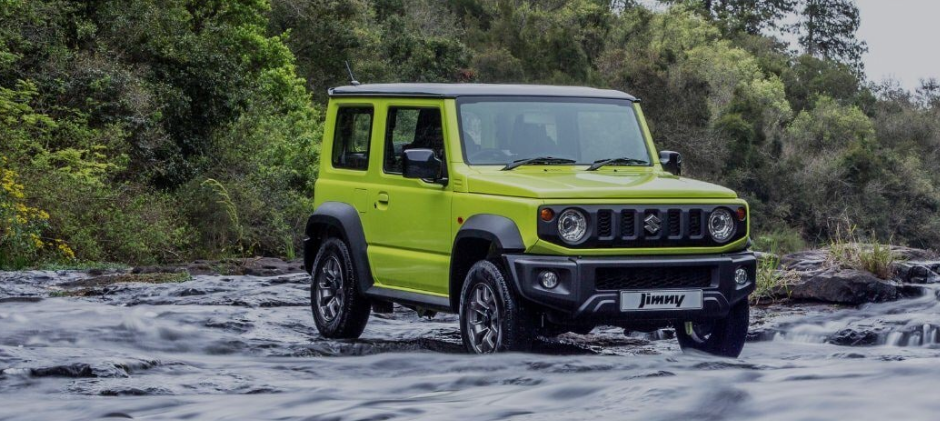
Are you currently engineering a purist’s giant-slayer or a kitted-out overlanding showstopper? The South African Jimny community thrives on shared expertise and trail-tested wisdom, and we want to hear your technical take.
If you’ve successfully navigated the “fashion vs. function” tightrope – or if you’ve got a Bilstein success story that transformed your ride – drop a comment below and share your setup. Don’t forget to share this Modification Bible with your local convoy or Jimny club to ensure we all keep treading lightly, capably, and safely on South African soil.
See you on the dunes!